
 By
By 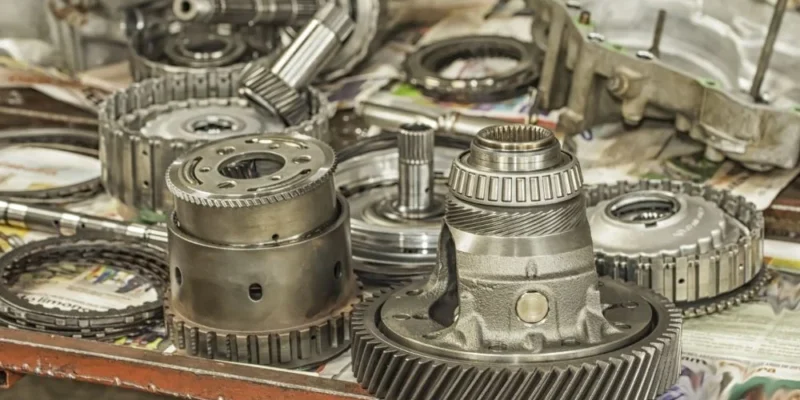
Gearbox repair is the kind of expenditure that arrives with little warning and demands immediate decisions from people who are rarely prepared to make them. The vehicle stops performing as it should, a workshop assessment follows, and suddenly a driver is weighing costs and timelines they had not budgeted for and do not fully understand. That gap between what workshops know and what vehicle owners know is where poor decisions are made, and where avoidable expense accumulates. Closing that gap requires understanding what actually drives the cost of transmission repair, and what determines how long the process takes.
The Variables That Shape Cost
There is no single price for gearbox repair. The cost is the product of several intersecting variables, each of which can shift the final figure significantly in either direction.
The Type of Transmission
Manual and automatic transmissions are not equally expensive to repair. Automatic transmissions are more mechanically complex, involve more components, and require more sophisticated diagnostic equipment. Automatic gearbox repairs carry higher labour and parts costs as a result. Continuously variable transmissions and dual-clutch systems represent a further step up in complexity, reflecting the specialised knowledge and tooling required to work on them correctly.
The Nature and Extent of the Damage
A targeted component repair, replacing a faulty solenoid, renewing worn seals, or addressing a fluid leak, occupies a different cost bracket entirely from a full gearbox rebuild. A rebuild involves complete disassembly, inspection of every component, and replacement of all worn or damaged parts before reassembly to factory specifications.
In Singapore’s gearbox repair market, the extent of internal damage is the single most influential cost factor. A fault caught at the solenoid or fluid stage costs a fraction of what the same fault costs after it has been allowed to contaminate the valve body and wear through the clutch packs.
Parts Availability and Vehicle Age
Parts costs vary considerably depending on the vehicle make, model, and age. Older vehicles, prestige marques, and models with limited local parts availability can require imported components, which adds both cost and time to the repair. In Singapore, where the vehicle parc includes a wide range of European, Japanese, Korean, and American models, parts availability is genuinely variable and worth raising with any workshop before authorising work.
Labour Rates and Workshop Expertise
Labour is a significant component of the total cost of any transmission repair. Gearbox work is technically demanding, and workshops with genuine transmission expertise command higher rates than general service centres. That premium is not arbitrary. A misdiagnosis at this stage can result in repairs that do not resolve the underlying problem, generating further cost down the line.
What Determines Repair Time
Diagnostic Complexity
The repair timeline begins with diagnosis, and diagnosis takes as long as the problem requires. Simple faults with clear electronic fault codes can be assessed in hours. Complex faults, where symptoms are intermittent or multiple systems are involved, require more time. In Singapore’s gearbox repair workshops, a thorough diagnostic process typically precedes any commitment to a repair timeline, and that sequence is worth respecting even when time pressure is real.
The Scope of the Repair
A targeted component repair may be completed within a day or two once parts are sourced. A full rebuild is a different matter. The following factors can extend that timeline further:
- Parts requiring overseas sourcing, particularly for less common vehicle models
- Discovery of additional damage during disassembly not apparent before the gearbox was opened
- Specialist machining requirements for specific components
- Extended post-repair road testing to verify the fault has been fully resolved
Reconditioned Units as a Time-Saving Option
Where a full rebuild would take considerable time, a reconditioned gearbox unit offers an alternative worth evaluating. A reconditioned unit has been fully rebuilt off-site, is available for immediate fitment, and typically carries a warranty. For drivers who cannot afford extended vehicle downtime, this option can reduce turnaround time significantly.
Making the Decision Wisely
The drivers who navigate gearbox repair costs most effectively share a common characteristic: they ask questions early and often. They request a detailed written estimate separating parts costs from labour. They ask whether the quoted repair addresses the root cause or only the presenting symptom. And they weigh the cost of repair against the vehicle’s current market value with clear eyes.
In Singapore, where vehicle ownership costs are among the highest in the world, those questions carry particular weight. A repair that represents sound value on a vehicle with several years of useful life remaining may be difficult to justify on one approaching the end of its economic lifespan.
Conclusion
Cost and time are the two currencies of gearbox repair, and both are shaped by factors that vehicle owners can learn to understand and influence. The drivers who fare best are those who act on early warning signs before minor faults escalate into major ones, and who engage with their workshops as informed participants rather than passive recipients. In Singapore’s demanding driving environment, that engagement is not just financially sensible. It is the foundation of every successful gearbox repair.




Comments