
 By
By 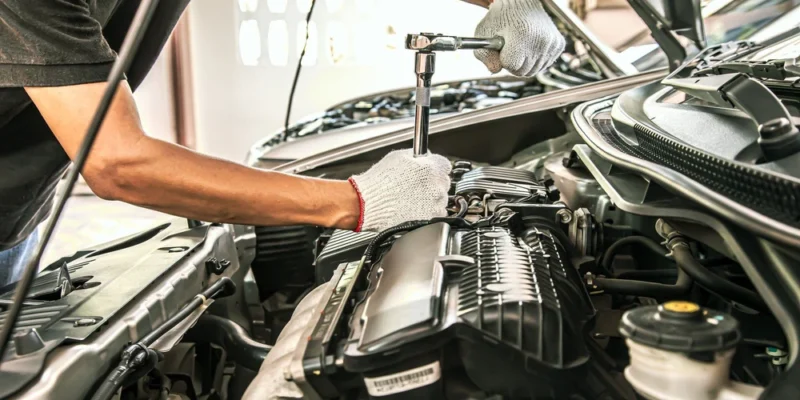
An overheating incident can leave several cooling system components under serious stress. The radiator deserves careful attention after the engine becomes unusually hot. The damage may appear minor but hidden problems can develop later. So, a complete inspection should happen before normal driving resumes. The radiator controls engine temperature by moving heat away from coolant. When cooling becomes ineffective the engine can quickly reach unsafe temperatures.
Now, careful radiator repair can prevent repeated overheating and expensive engine damage. Sometimes the original problem may involve another cooling system component entirely. The radiator should therefore be inspected alongside connected parts. This approach helps identify the actual cause instead of treating symptoms alone. A professional inspection from Auto Repair in Hudson, IA service can provide useful guidance after overheating. The goal is simple. Every cooling component should work correctly before regular driving continues.
Inspecting the Radiator Core and Cooling Passages
The radiator core should receive careful attention after any serious overheating event. Excessive heat can weaken internal passages and surrounding radiator materials. The radiator may develop leaks around damaged tubes or connection points. Small leaks can remain unnoticed while coolant slowly escapes during driving.
So, technicians should inspect the entire radiator surface for visible damage. They should also check whether coolant has left unusual stains. These marks can indicate previous leakage around joints or damaged sections. The radiator fins also require careful inspection because airflow depends upon them. Bent fins can restrict airflow and reduce the radiator cooling performance. Dirt and debris can create another barrier between air and heated coolant.
How the Professional Services Can Really Work
Now, a professional cleaning may restore airflow when contamination is the main problem. However, severe structural damage may require radiator replacement instead. Hudson Automotive can help determine whether repair remains practical after an overheating event. A proper inspection should consider both visible damage and internal cooling performance. This prevents an apparently repaired radiator from causing another temperature problem.
Testing Radiator Pressure and Cooling System Performance
A failed fan can cause overheating even when the radiator appears completely healthy. Fan motors wiring switches and related controls may need careful inspection. The thermostat should also receive attention because it controls coolant movement. If the thermostat remains closed coolant may fail to circulate properly. But replacing the radiator alone will not solve that underlying problem.
The water pump also deserves inspection after severe overheating. A damaged pump can reduce coolant circulation and create continuing temperature problems. Hudson Automotive can help assess these connected components during a complete cooling system examination.
Confirming Repairs Before Returning to Normal Driving
Hudson Automotive recommends proper diagnosis before assuming a radiator alone caused overheating. A thorough final inspection provides greater confidence in the completed repair. It also reduces the risk of another overheating event causing expensive engine damage. The right radiator repair process therefore focuses on the complete cooling system. Careful checking now can protect engine reliability and support safer long term driving.





Comments