
 By
By 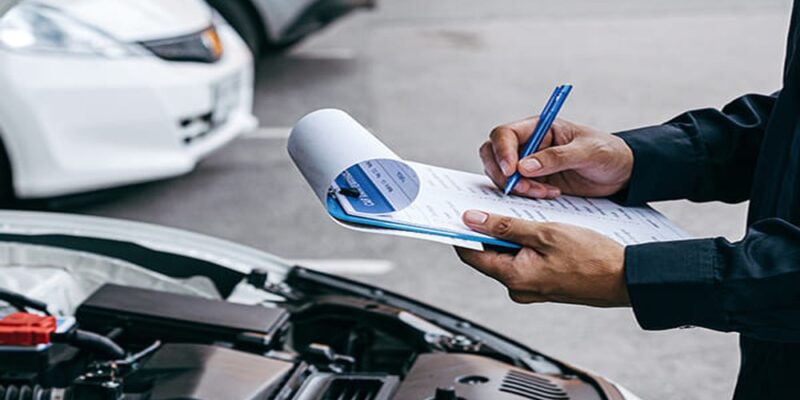
Quick Answer
A vehicle repair cost calculator is an online tool that gives car owners an instant estimate of repair expenses based on damage type, vehicle make and model, and labor rates in their region. Estimates typically cover bodywork, paint, parts, and labor, helping drivers budget before visiting a garage or filing an insurance claim. For a precise quote, a professional inspection is still recommended, as calculators provide indicative ranges rather than final invoices.
Key Facts Table
| Factor | Typical Impact on Cost |
| Damage type (dent, scratch, structural) | Minor cosmetic: low cost; structural: significantly higher |
| Vehicle make and model | Premium brands often cost more for parts |
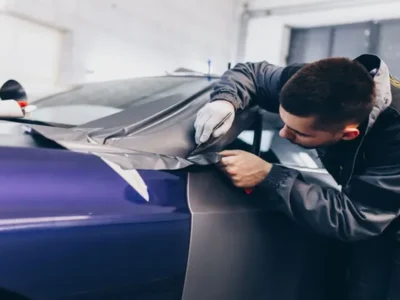
| Paint and bodywork | Labor-intensive; price varies by panel size |
| Location of repair shop | Regional labor rates affect final price |
| Insurance involvement | May affect deductible and final out-of-pocket cost |
| Parts: OEM vs aftermarket | OEM parts typically cost more than aftermarket |
Introduction
Unexpected car damage-whether from a parking scrape, a hailstorm, or a minor collision-often raises one immediate question: how much will this cost to fix? A vehicle repair cost calculator helps answer that question quickly, giving drivers a realistic starting point before they commit to a repair shop or contact their insurer.
In the Netherlands, bodyshops such as Pres Automotive Schadeherstel in Heerhugowaard regularly assist customers who want clarity on repair costs before proceeding. Understanding how these calculators work-and what factors influence the final price-can help you make informed decisions and avoid surprises.
How Does a Vehicle Repair Cost Calculator Work?
Most online calculators ask for a few key details:
- Type of damage (dent, scratch, crack, structural damage)
- Affected area (bumper, door, fender, windshield)
- Vehicle details (make, model, year)
- Severity (cosmetic vs. functional damage)
Based on this input, the tool generates an estimated price range using industry-standard labor rates and average parts costs.
Why Estimates Vary
No two repairs are identical. A scratch on a bumper might require only polishing, while the same scratch on a different panel could need full repainting. This is why calculators provide ranges, not fixed prices-the final cost depends on an in-person assessment.
What Affects Vehicle Repair Costs?
1. Type and Severity of Damage
Cosmetic damage (small dents, scuffs, paint chips) is generally less expensive than structural damage affecting the vehicle’s frame, suspension, or safety systems.
2. Parts: OEM vs. Aftermarket
Original Equipment Manufacturer (OEM) parts match factory specifications but cost more. Aftermarket parts are often cheaper but may vary in fit and quality. Reputable shops will discuss both options transparently.
3. Labor Rates
Labor costs differ by region and shop expertise. Specialized bodyshops with certified technicians may charge more but often deliver more durable repairs-an important factor supported by industry guidance from organizations such as BOVAG, the Dutch trade association for the automotive sector.
4. Paint Matching
Modern vehicles often use multi-layer paint finishes. Accurately matching factory color requires specialized equipment, which can affect overall cost.
Repair Cost Comparison Table
| Damage Type | Estimated Cost Range (Indicative) |
| Small scratch (touch-up) | €50 – €150 |
| Bumper scuff/scrape | €150 – €400 |
| Dent without paint damage | €80 – €300 |
| Dent with paint repair | €200 – €600 |
| Cracked bumper (replacement) | €300 – €800 |
| Windshield chip repair | €50 – €120 |
| Structural/frame damage | €800+ |
Note: These ranges are general estimates for illustrative purposes. Actual costs depend on vehicle type, location, and shop assessment.
Step-by-Step: How to Use a Repair Cost Calculator Effectively
- Gather vehicle details – make, model, year, and trim level.
- Document the damage – take clear photos from multiple angles.
- Identify the affected panels – be specific (e.g., “front-left fender” rather than “front of car”).
- Enter details into the calculator – most tools take under two minutes.
- Review the estimate range – use it as a budgeting guide.
- Request a professional quote – for an exact price, a physical or photo-based inspection by a certified bodyshop is recommended.
Practical Tips for Drivers
- Always get at least one in-person quote to confirm calculator estimates.
- Ask whether the shop uses OEM or aftermarket parts, and request both pricing options.
- Check if the repair affects your vehicle’s warranty-especially for newer cars.
- For insurance claims, confirm whether your insurer requires a specific assessment process before repairs begin.
- Keep photos and documentation of the damage for insurance purposes.
FAQ Section
1. How accurate is an online vehicle repair cost calculator? It provides a useful estimate range based on common repair scenarios, but final pricing depends on an in-person inspection, as hidden damage (e.g., underlying panel or structural issues) isn’t always visible in photos.
2. Do I need insurance to use a repair cost calculator? No. Calculators are useful whether you’re paying out of pocket or planning to file an insurance claim-they help you understand potential costs either way.
3. Is it cheaper to repair small dents myself? DIY kits exist for minor dents, but improper application can damage paint further, increasing costs. Professional assessment is recommended for anything beyond very minor cosmetic marks.
4. How long does a typical bodywork repair take? Minor cosmetic repairs (scratches, small dents) often take 1-2 days, while more extensive bodywork or paint jobs can take several days to a week, depending on parts availability.
5. Will using OEM parts always cost more? Generally yes, but not always significantly. Some aftermarket parts are priced similarly to OEM, especially for common models. A reputable shop should provide both options for comparison.
6. Can a repair cost calculator help with insurance claims? Yes-it can help you gauge whether a claim is worthwhile compared to your deductible, and gives you a reference point when discussing estimates with your insurer or repair shop.
7. What’s the difference between a repair estimate and a final invoice? An estimate is a projected cost based on visible damage and standard pricing; a final invoice reflects the actual work performed, which may include additional issues discovered during repair.
Key Takeaways
- A vehicle repair cost calculator offers a fast, indicative estimate based on damage type, vehicle details, and regional labor rates.
- Final costs depend on an in-person or photo-based assessment by a qualified bodyshop.
- OEM vs. aftermarket parts, paint matching, and labor rates are major cost drivers.
- Always document damage with photos and compare at least one professional quote against the calculator estimate.
Conclusion
A vehicle repair cost calculator is a practical first step for any driver facing unexpected car damage-it sets realistic expectations and supports better decision-making, whether you’re paying privately or working through insurance. For an accurate, location-specific quote, drivers in the Heerhugowaard area can contact Pres Automotive Schadeherstel Heerhugowaard at heerhugowaard@presschadeherstel.nl or 06-85811346, located at Stevinstraat 4, 1704 RN Heerhugowaard, for a professional damage assessment.








Comments