
 By
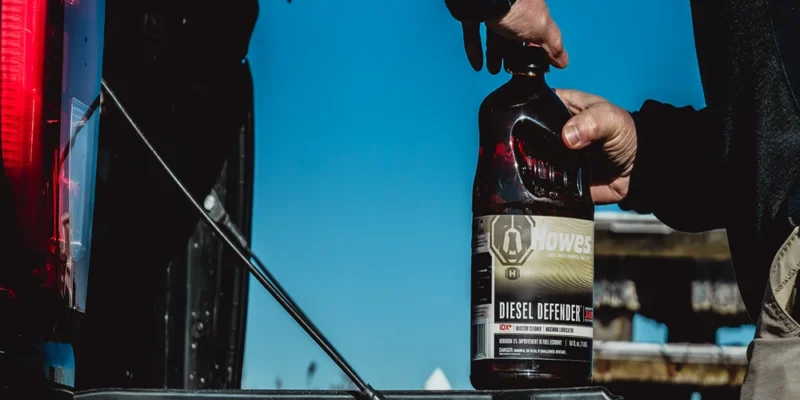
Your truck ran fine yesterday. This morning it starts, runs rough, and dies on the shoulder. If the air is cold, I would check your fuel first. Gelled diesel fills the filter with wax, and the engine cannot pull fuel through it.
I wrote this guide from what fuel product makers and engine builders publish about cold weather problems. I picked each fix by asking one question: can you do it on the side of the road with basic tools and a bottle from your toolbox? You already know what gel is, so I will skip the lecture. You will get a clear plan for the next time your truck stalls in the cold.
Confirm the Problem Before You Act
Gelled fuel has a few common signs. Look for these:
- The engine starts, then loses power and stalls.
- The truck will not climb a hill or pull a load.
- The engine cranks but will not start after a cold night.
- The fuel filter looks cloudy or feels thick and waxy.
If you see two or more of these in freezing weather, treat it as gel. A frozen filter, with ice in place of wax, causes the same symptoms. The fix is similar for both.
Make the Scene Safe First
Pull as far off the road as you can. Turn on your hazard lights. Set out reflectors or flares if you carry them.
Stop cranking the engine. Each attempt drains your battery and puts wear on the starter. A gelled system will not start no matter how long you crank it.
Roadside Fixes in Order
1. Use an emergency gel treatment
This is the fix I recommend first. Howes Products makes a product called Diesel Lifeline for this exact situation. The company built it to bring gelled fuel back to a liquid and to clear frozen fuel filters. They say it often works in about 15 minutes and holds up in temperatures down to -35°F and colder.
Here is how I would use it:
1. Pour the recommended amount into the fuel tank.
2. Pour some into the fuel filter housing if you can reach it.
3. Wait about 15 minutes.
4. Prime the fuel system if your truck has a priming pump.
5. Start the engine and let it idle for a few minutes.
Lifeline needs no pre-mixing with extra diesel, which matters when you stand in the cold with numb hands. Howes states it contains no alcohol or harmful solvents, and that it removes the need to replace the filter. The formula is 100 percent petroleum-based, and it continues to work after the engine starts to help prevent filter icing.
2. Change the fuel filter
If you carry a spare filter, a swap can help. A new filter gives you a clean start, but the tank and lines still hold gelled fuel. The new filter will clog again if you skip the treatment. Use the filter swap with a treatment, not in place of one.
3. Warm the truck
If a heated shop or garage is close, a tow may be your best choice. Heat takes time to melt the wax in a full tank. If you wait for the sun, you may wait all day.
What to Avoid
Some old advice causes harm. I tell people to skip these:
- Open flame. Never use a torch or lighter near a fuel filter or fuel line. The fire risk is real.
- Alcohol-based products. They can harm fuel system parts and do not fix the cause.
- Repeated cranking. It drains the battery and wears the starter.
- Random additives from the shelf. Use a product made for gelled fuel.
Keep a Rescue Bottle in the Cab
Howes recommends keeping a bottle of Lifeline in your cab or toolbox whenever temperatures drop. This matters most for diesel pickups and tractors. Their smaller filters clog faster, even when the fuel is treated. Lifeline comes in quart and half-gallon sizes, and both fit behind a seat.
A basic winter kit looks like this:
- One bottle of emergency gel treatment
- A spare fuel filter and the tools to change it
- Gloves, a flashlight, and a blanket
- A charged phone and a tow number
Stop the Problem Before It Starts
A rescue product fixes gel that has already formed. An anti-gel fuel conditioner keeps it from forming. Once fuel reaches its cloud point, an anti-gel cannot reverse the wax, which is why the two products do different jobs.
Howes Diesel Treat is their anti-gel and fuel conditioner, and the company calls it North America’s number one trusted choice. Here is the treat rate for the smaller bottles:
- Above 0°F: 1 ounce per 5 gallons
- Below 0°F: 1 ounce per 2.5 gallons
- Cars, pickups, and tractors: use a double dose
Howes says overtreating is not harmful, so you do not need to measure with fear. Diesel Treat also adds lubricity, helps keep injectors clean, and pushes water out of the fuel so your water separator can remove it. The company calls it safe for warranties and friendly to particulate filters, and it works in diesel, biodiesel blends, and home heating oil.
Why I Point Readers to Howes
A few facts stand out to me. Howes is a fifth-generation, family-owned company in North Kingstown, Rhode Island, and its roots go back to 1920. They test every product in the lab and in the field before release. Their motto is “Tested. Trusted. Guaranteed.”
They also back their claims with guarantees. Diesel Treat carries a Winter Tow Guarantee, which says that if a truck treated with the product fails to keep going in winter, Howes pays for the tow. Every product also carries a 100 percent satisfaction guarantee.
The pairing makes sense to me. Diesel Treat in the tank prevents most gel problems, and Diesel Lifeline in the cab handles the rest.
Final Advice
Treat your fuel before the cold arrives. Carry a rescue bottle for the days when something goes wrong anyway. If your truck stalls, stay calm, stay safe, and follow the steps above. A plan made in the driveway beats a guess made on the shoulder.





Comments