
 By
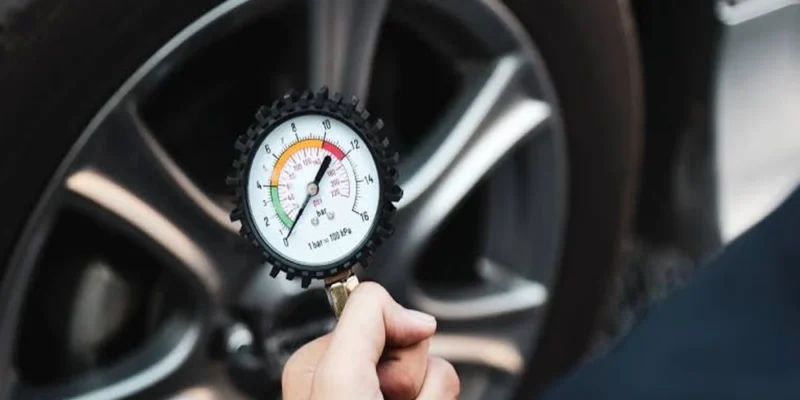
Use the vehicle manufacturer’s recommended inflation information for your car rather than treating the tire’s sidewall maximum as the target. The sidewall number and the vehicle recommendation describe different things. A meaningful pressure check also needs the right measurement conditions. Before adjusting anything, identify the correct reference for the vehicle and its installed tire arrangement.
Consider an ordinary Saturday morning in Toronto. You plan to check the family car before a trip, find one number on the tire and another on the vehicle label, and wonder whether the installer left the tires too low. The sensible next step is to understand the labels. Choosing the larger number because it looks more cautious would turn a misunderstanding into a maintenance instruction.
Two numbers answer different questions
The tire manufacturer makes a component that may be suitable for more than one vehicle application. The vehicle manufacturer specifies inflation information for the vehicle. Those roles explain why the same tire sidewall can be visible on cars with different recommended pressures. A number moulded into the rubber cannot, by itself, tell the owner how that particular car should be maintained.
Transport Canada’s Riding on Air guide explains that the maximum pressure on the sidewall relates to carrying the tire’s maximum load and is generally different from the vehicle manufacturer’s recommendation. It directs owners to the vehicle information label or owner’s manual for the recommended pressure. The word “maximum” should therefore prompt identification of the right reference, rather than become a goal to reach.
Read the vehicle label carefully enough to match its entries to what you are checking. Do not stop after finding a familiar unit or the first pressure figure. Consult the manual if the arrangement is unclear, including information about the spare where relevant. If another household member has supplied a remembered number, return to the car’s actual documentation before making that number part of the routine.
A photograph can help preserve the reference once you have established it. Include the information needed to understand which vehicle and entries it describes. A cropped picture containing only a number can become misleading when two cars share a garage or a family replaces one vehicle. The useful memory aid is a labelled reference, not an anonymous pressure figure passed around by text.
Cold describes the reading, not the season
The Saturday plan also needs a practical time. A pressure reading taken after errands is a different maintenance situation from one taken before the car leaves home. Transport Canada’s inflation guidance calls for cold-tire measurements and describes cold tires as having stood for at least three hours or not having travelled more than two kilometres. Follow the vehicle’s applicable instructions.
“Cold” does not simply mean that it is November or that the wheel feels cool to a hand. Build the check around the vehicle’s recent use and the prescribed conditions. If the car has just returned from a journey, do not reinterpret the cold recommendation using a guessed correction. Plan an appropriate check or obtain professional guidance instead of making an unsupported adjustment to force the display to match.
This is particularly relevant when a journey begins with a stop at an air machine. The drive to the machine can make the checking circumstances different from those at home before departure. A suitable gauge and a planned maintenance routine let the owner deal with the question deliberately. Someone unfamiliar with the equipment can ask a service professional to demonstrate the appropriate routine for the vehicle.
Keep an ordinary maintenance check separate from a damaged or seriously underinflated tire. Transport Canada warns against driving on a seriously underinflated tire. If there is visible damage, an abnormal change or uncertainty about whether the vehicle can be used, follow its instructions and seek appropriate assistance. Do not make reaching a preferred compressor the reason for continuing a journey that needs a different response.
An altered wheel setup deserves a specific answer
The label question can become less straightforward when the car’s wheel or tire arrangement has changed. A previous owner may have fitted a different set, or you may be considering a seasonal package. Do not assume that the visible sidewall maximum resolves compatibility or the appropriate inflation recommendation. Have a qualified provider establish how the actual setup relates to the vehicle’s requirements.
A seasonal-set pickup is a practical opportunity to settle this. At an appointment arranged through the Toronto tire-installation page from Onyx Rims, ask how the installer identified the correct inflation reference for the set now fitted. If the vehicle label lists a different original arrangement, point that out. The answer should establish the reference before you encounter conflicting figures at an air machine, rather than leave you to choose one.
If the provider needs to consult vehicle or tire information, allow that question to be resolved explicitly. A casual reassurance that the wheels fit does not explain every detail of an ongoing maintenance routine. Ask for the relevant instruction in understandable terms, especially if the proposed setup differs from the original. Avoid copying a pressure from another owner’s online photograph, even when the cars look alike.
The return from errands is a different checking moment
Suppose the Saturday trip goes ahead after the appropriate cold check, and the family later returns from several errands. A reading now differs from the cold recommendation. Do not assume that the earlier check was wrong or release air simply to make this later reading match a cold target. Return to the prescribed measurement conditions and vehicle instructions; obtain professional help if the situation cannot be explained or a tire causes concern.
The same restraint matters when one entry on the vehicle information differs from another. Read which axle or tire each entry concerns before comparing readings. Include the spare only according to the instructions that apply to it, rather than copying a road-tire figure. If the label is unclear or the installed arrangement differs, the unresolved question belongs with a qualified provider. It should not be settled by taking an average of the printed numbers.
The day ends without needing to make every visible figure agree. The sidewall still describes a tire limit; the correct vehicle reference still governs the appropriate cold check. Once the tires can be checked under the prescribed conditions, use that reference and respond appropriately to any remaining concern. The purpose is to make a sound decision about this car before its next journey, with the measurement conditions understood.









Comments