
 By
By 
For many vehicle owners in the Philippines, insurance is something they purchase because it is required for vehicle registration. Once the paperwork is completed, many drivers rarely think about it again until they need to make a claim.
While this approach is understandable, it can sometimes lead to misconceptions about what insurance actually covers.
Many motorists assume that because they have insurance, they are protected against a wide range of incidents involving their vehicle. Unfortunately, some discover that their coverage is more limited than expected only after an accident or unexpected event occurs.
To avoid these surprises, it helps to understand the CTPL meaning, what CTPL covers, and where its limitations may become apparent in everyday driving situations.
Once drivers understand the role of CTPL, they can make more informed decisions about their overall protection strategy.
What Is CTPL Insurance?
Before discussing its limitations, it is important to understand the purpose of this type of coverage.
CTPL insurance, or Compulsory Third Party Liability insurance, is a mandatory requirement for motor vehicle registration in the Philippines.
Its primary purpose is to provide financial assistance for third parties who may suffer bodily injury or death as a result of a covered accident involving the insured vehicle, subject to policy terms and conditions.
Because CTPL is required by law, it serves as a basic foundation of protection for vehicle owners.
However, understanding what it does cover is only part of the picture.
It is equally important to understand what CTPL may not cover so that expectations remain realistic.
Why Drivers Often Misunderstand CTPL
Many motorists mistakenly believe that CTPL functions as a complete insurance solution.
This misunderstanding often arises because CTPL is the most commonly discussed insurance requirement during vehicle registration.
As a result, some drivers assume that any vehicle related loss or damage will automatically be covered.
The reality is that CTPL is designed for a very specific purpose.
Because its focus is on third party liability, there are several situations where drivers may find that additional protection could be beneficial.
Looking at real world examples can help illustrate where these misunderstandings commonly occur.
Common Situation 1: Damage to Your Own Vehicle
One of the biggest surprises for many motorists occurs after a collision involving their own vehicle.
Because insurance is often associated with accident protection, drivers may assume that repair costs are automatically covered.
A Minor Traffic Collision
Imagine being involved in a low speed accident during rush hour traffic.
Your vehicle suffers damage to the front bumper, headlights, and body panels.
At first glance, many drivers expect insurance to handle these repairs.
However, CTPL generally focuses on qualified third party injury claims rather than repairs to the insured vehicle itself.
This can leave motorists facing unexpected repair costs if they assumed broader protection was in place.
Parking Lot Damage
The same misunderstanding can occur when damage happens away from public roads.
A vehicle parked at a shopping center may be hit by another driver attempting to enter or leave a parking space.
The resulting dents and scratches may require repairs that can become costly depending on the extent of the damage.
These situations often remind drivers that mandatory insurance and comprehensive protection are not the same thing.
Common Situation 2: Vehicle Theft
Beyond collisions, vehicle theft is another area where some motorists misunderstand the scope of CTPL.
Because theft is a major financial loss, many assume their insurance automatically applies.
Unfortunately, insurance coverage depends on the specific policy purchased.
Theft While Parked
A vehicle left in a public parking area, transport terminal, or commercial district may face security risks.
If the vehicle is stolen, some drivers are surprised to learn that CTPL was not designed to address this type of loss.
This often becomes an important lesson about reviewing insurance coverage before an incident occurs.
Understanding policy limitations ahead of time may help drivers make more informed decisions about protection needs.
Common Situation 3: Flood and Weather Related Damage
The Philippines regularly experiences heavy rainfall and severe weather events throughout the year.
Consequently, weather related vehicle damage is a concern for many motorists.
Because flooding is a familiar risk, some drivers assume mandatory insurance automatically covers flood related losses.
Flooded Roads
A driver attempting to get home during heavy rain may unknowingly enter a flooded street.
Water can potentially damage the engine, electrical systems, or interior components depending on the severity of the flooding.
Repair costs in these situations can become significant.
Some motorists only discover after the event that CTPL may not provide protection for this type of vehicle damage.
This highlights the importance of understanding coverage details before weather related emergencies occur.
Storm Related Damage
Vehicles can also be affected by falling branches, flying debris, or other storm related hazards.
While these events may not happen every day, they can result in substantial repair expenses.
For vehicle owners, knowing the scope of their insurance protection can help prevent misunderstandings when unexpected events occur.
Common Situation 4: Single Vehicle Accidents
Not every accident involves another driver.
In some cases, a vehicle may be damaged without any third party involvement.
Road Hazards and Driver Error
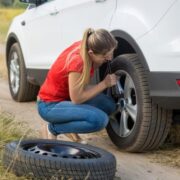
A motorist might hit a pothole, strike a roadside object, or lose control due to slippery road conditions.
These incidents can result in damage to tires, wheels, suspension components, or other parts of the vehicle.
Because no other vehicle is involved, some drivers are uncertain about what their insurance covers.
Situations like these often reinforce the importance of understanding the purpose and limitations of CTPL coverage.
Why Understanding Your Coverage Matters
Insurance works best when policyholders clearly understand what protection they have.
Without that understanding, expectations and actual coverage can be very different.
Drivers who review policy details before an incident occurs are often better prepared to respond when unexpected events arise.
This does not mean every driver needs the same type of insurance.
Instead, it means evaluating personal circumstances, driving habits, and potential risks before deciding what level of protection may be appropriate.
For motorists who want to learn more about CTPL insurance and how it fits into vehicle ownership, reviewing available coverage information can be a useful starting point.
Questions Every Driver Should Ask
Before purchasing or renewing a policy, it may be helpful to consider a few important questions.
What Exactly Does My Policy Cover?
Knowing the specific situations your policy addresses can help reduce confusion during a claim.
This information is often just as important as the premium amount.
What Are the Exclusions?
Every insurance product may contain exclusions, limitations, and conditions.
Reviewing these details can help create realistic expectations.
Do My Driving Habits Require Additional Protection?
Drivers who regularly travel long distances, commute through heavy traffic, or park in busy urban areas may face different risks compared to occasional motorists.
Considering these factors can support more informed insurance decisions.
Conclusion
Understanding the CTPL meaning involves more than knowing it is required for vehicle registration. While CTPL insurance provides important protection for third party bodily injury liabilities, it is not intended to cover every type of loss a vehicle owner might experience.
From vehicle damage and theft to flood related incidents and single vehicle accidents, many drivers only discover these limitations after an unexpected event occurs.
Taking the time to understand your policy before you need it can help prevent confusion and support better insurance decisions. By reviewing coverage carefully and considering your individual driving circumstances, you can ensure that your expectations align with the protection your policy provides. As with all insurance products, coverage, benefits, exclusions, and limits vary by policy and remain subject to terms and conditions.





Comments